Faculty of Life Sciences
The Faculty of Life Sciences is dedicated to the scientific study of living systems, from molecular and cellular processes to organisms, ecosystems, and the environment. It provides a strong academic foundation for understanding biological life and its applications in health, environmental sustainability, agriculture, and food systems.
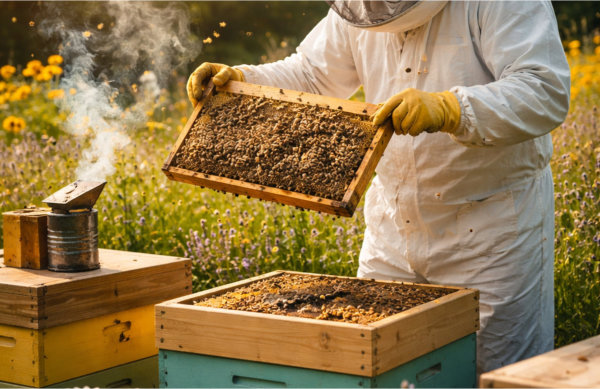
A distinctive feature of the Faculty is its focus on applied and environmental life sciences, including apiculture (beekeeping), pollination biology, and natural products and herbal sciences. These areas are approached through rigorous scientific inquiry, integrating biology, chemistry, ecology, and evidence-based analysis. Programmes in Natural Medicine and Herbal Science are delivered within a scientific, ethical, and regulatory framework, with content and scope aligned to prevailing national legislation and regulatory authorisation. The inclusion of any diagnostic or therapeutic elements is contingent upon approval by the relevant competent authorities.
Teaching and research within the Faculty span core disciplines such as:
· Biology and Biological Sciences
· Molecular and Cellular Biology
· Genetics, Microbiology, and Biochemistry
· Ecology, Environmental Biology, and Conservation Science
· Entomology, Pollination Biology, and Apiculture
· Natural Products, Herbal Science, and Ethnobotany (non-clinical)
The Faculty maintains close academic collaboration with the Faculties of Medicine, Health Sciences, and Information and Communication Technology, particularly in areas such as public health, environmental health, bioinformatics, and data-driven biological research. At the same time, it retains academic independence to ensure that fundamental biological science and applied environmental disciplines develop in accordance with internationally recognised academic standards.
The Faculty of Life Sciences is committed to research excellence, ethical scientific practice, and responsible engagement with society. Its programmes prepare students for careers in research, environmental management, sustainable agriculture, biotechnology, education, and related fields, while also supporting professional development and lifelong learning through specialised courses in areas such as beekeeping, pollinator management, and herbal sciences.