
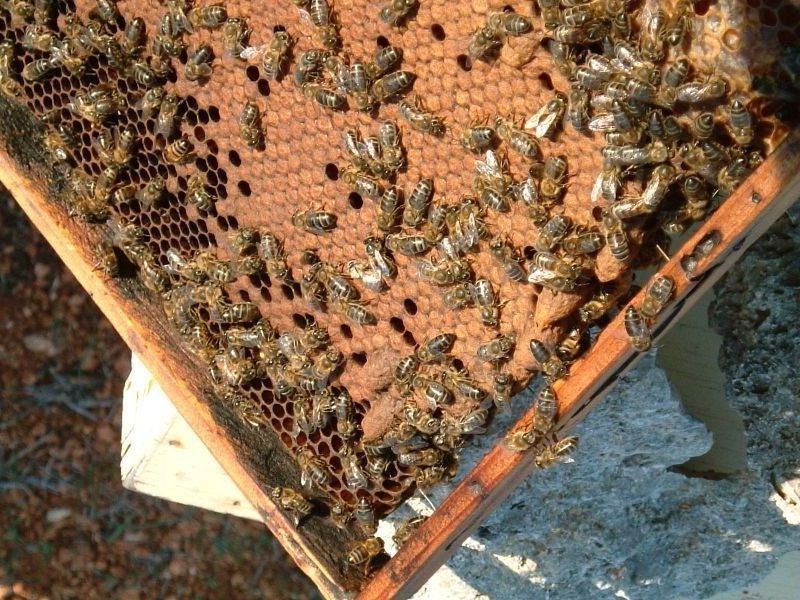

Offered online by Pro Deo International University under the Faculty of Life Sciences, this certificate provides an introduction to the art, science, and practice of beekeeping, examined through the perspective of indigenous knowledge systems and traditions. The programme emphasises the cultural, ecological, and nutritional value of bees, while developing essential practical competencies in hive construction, management, and honey harvesting through guided online instruction and demonstrations. Participants will also learn safe and sustainable methods for processing, storing, and utilising honey and other hive products. By combining traditional wisdom with accessible modern techniques, this online course enables learners to build applied knowledge while deepening their appreciation of the role of bees in maintaining biodiversity and supporting livelihoods. The programme contributes directly to food security, community health, environmental stewardship, and cultural continuity, preparing learners to become active and informed contributors within their communities.
Course Objectives
Course Structure
Who Should Apply for this course?
This course is designed for indigenous community members, particularly youth and women’s groups, who are eager to learn the basics of beekeeping in a way that respects cultural traditions and promotes self-reliance. It is also suitable for individuals seeking to contribute to community food security, improve household nutrition, generate supplementary income, or play an active role in environmental stewardship. By integrating traditional knowledge with practical, modern methods, the programme provides a foundation for
It is proposed that a compulsory practical training component be delivered in Muğla, Turkey, during the final two weeks of August, with a total instructional duration of five consecutive days. Participants will be required to enter Turkey via Istanbul Airport, followed by a scheduled domestic transfer to Muğla. Arrival is anticipated on a Sunday, with formal training activities commencing on Monday morning and concluding on Friday afternoon. Upon completion of the programme, participants will return to Istanbul to undertake onward international travel. The implementation of this practical component is contingent upon a minimum enrolment of ten participants, which is required to ensure financial and operational viability.
Accommodation will be arranged in accredited three-star hotels on a bed-and-breakfast basis. These facilities will be located in rural villages in close proximity to the designated apiary and training sites, thereby facilitating efficient access to practical learning environments. Throughout the duration of the programme, participants will be provided with organised ground transportation, including airport transfers, daily travel between accommodation and training locations, and transport to additional educational or site-visit venues as stipulated within the training schedule.